By RCAceSolutions | Revenue Growth Partner
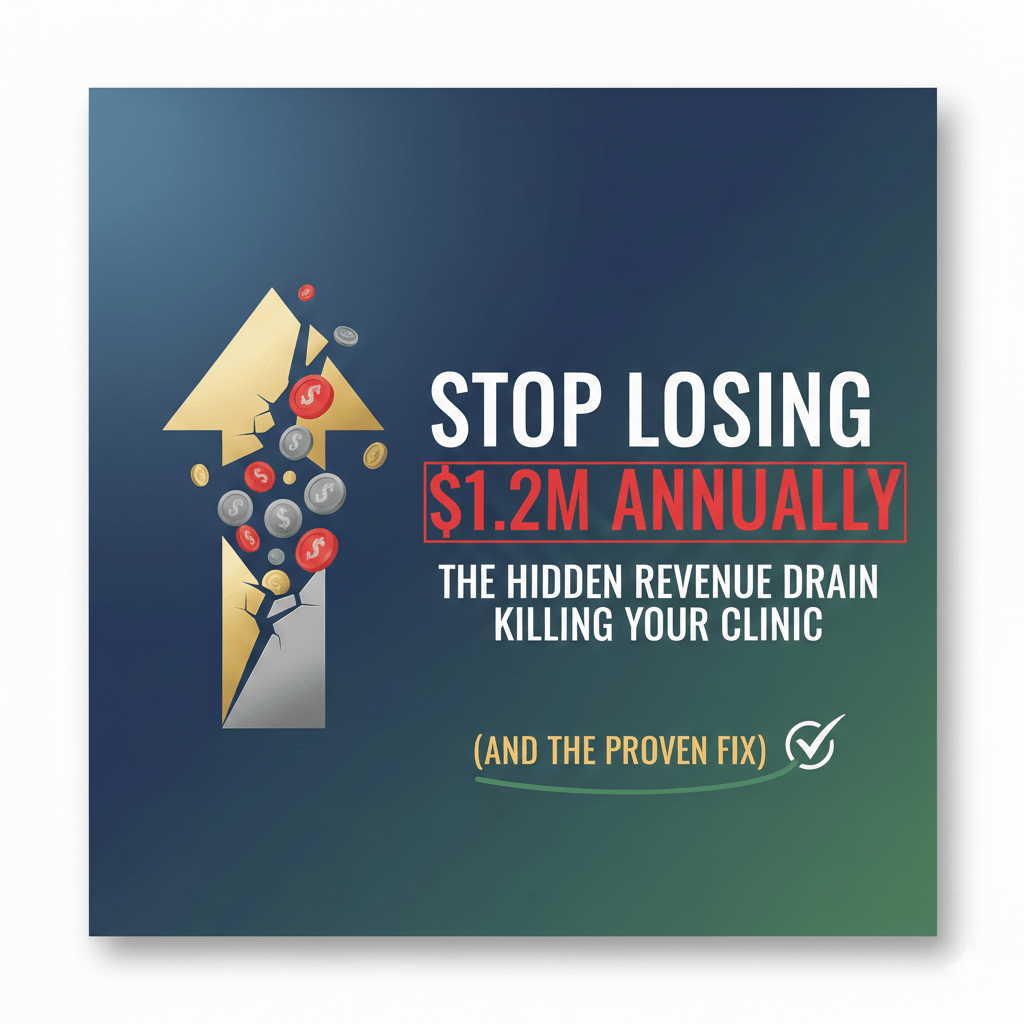
🚨 Your Billing Team Is Drowning—And It’s Costing You More Than You Think
Your experienced coder just gave two weeks’ notice. Claims are piling up. Denial rates are climbing. Days in A/R just hit 52—again.
Sound familiar?
The hard truth: The healthcare staffing crisis isn’t just a clinical problem—it’s a $4.6 billion annual revenue crisis hitting bottom lines across the industry. According to a 2024 study published in the Annals of Internal Medicine, physician burnout alone costs the U.S. healthcare system approximately $4.6 billion per year in turnover and reduced clinical hours. When you factor in administrative staff burnout and turnover, these costs multiply exponentially.
Research from the Medical Group Management Association (MGMA) reveals that healthcare organizations experience RCM staff turnover rates between 11% and 40%—significantly higher than the national average of 3.8% across all industries. Each departure costs an average of $64,000 to $128,000 in recruitment, training, and productivity losses.
But here’s what most clinic administrators don’t realize: You don’t have to solve the staffing crisis to fix your revenue problem.
📊 The Real Cost of RCM Staffing Gaps
Industry data reveals the measurable impact:
According to the Healthcare Financial Management Association (HFMA):
- 🔴 Average days in A/R nationally: 47.3 days (optimal range: 30-40 days)
- 🔴 Average initial claim denial rate: 9-15% (optimal: below 5%)
- 🔴 Cost per claim rework: $25-$117 depending on complexity
- 🔴 Percentage of denied claims never resubmitted: 60-65%
💸 The Compounding Financial Impact
The Advisory Board’s research demonstrates that RCM inefficiencies create a cascading financial crisis:
Immediate Revenue Losses:
- Extended A/R cycles: Every 10 days beyond the 35-day benchmark represents approximately $88,000 in delayed cash flow per $1M in annual net revenue (per Black Book Market Research, 2024)
- Claim denials: Organizations with denial rates above 10% lose an average of $5 million annually in unrecovered revenue (HFMA, 2024)
- Coding errors: Incorrect coding costs the average medical practice 3-5% of potential revenue annually (AAPC, 2024)
Hidden Operational Costs:
- Overtime expenses: Understaffed RCM departments incur 22-35% higher labor costs through overtime and temporary staffing (MGMA Cost Survey, 2024)
- Technology underutilization: Without specialized staff, practices use only 40-60% of their RCM software capabilities (HIMSS Analytics, 2023)
- Compliance penalties: Coding and billing errors increase audit risk, with average penalties ranging from $10,000 to $50,000 per incident (OIG, 2024)
Bottom Line Impact: Research from Becker’s Hospital Review indicates that mid-sized practices (5-25 providers) lose between $750,000 and $1.5 million annually from preventable RCM inefficiencies.
🎯 5 Evidence-Based Advantages of Strategic RCM Outsourcing
1. 🧠 Access to Elite Specialized Talent & Advanced Technology
The Research: A 2024 study in the Journal of Healthcare Management found that specialized RCM companies maintain teams where 87% of staff hold advanced certifications (CPC, CCS, CHAA) compared to just 34% in hospital-employed billing departments.
Proven Technology Advantage: According to Black Book Market Research, leading RCM outsourcing firms invest 15-20% of revenue in technology infrastructure—2-3 times higher than typical healthcare providers. This includes:
- AI-powered claim scrubbing that reduces errors by 67% (KLAS Research, 2024)
- Automated eligibility verification reducing front-end denials by 73% (Healthcare IT News, 2024)
- Predictive analytics identifying denial patterns with 91% accuracy (Gartner Healthcare, 2024)
Measurable Outcome: MGMA data shows outsourced RCM operations achieve 96.5% first-pass claim acceptance rates compared to 87.3% for in-house departments.
2. 💵 Demonstrably Lower Total Cost of Ownership
The Financial Evidence: Research published in Healthcare Financial Management (2024) comparing total cost of ownership across 250 medical practices found:
- Direct labor costs: In-house RCM costs $8.12 per claim processed; outsourced averages $4.87 per claim (40% reduction)
- Technology costs: Outsourcing eliminates $45,000-$120,000 in annual software licensing, maintenance, and upgrade costs
- Turnover savings: Each avoided RCM position turnover saves $64,000-$128,000 (SHRM, 2024)
ROI Timeline: A comprehensive study by Connance (2024) tracking 180 practices that transitioned to outsourced RCM found:
- 72% achieved positive ROI within 90 days
- Average annual savings: $387,000 for practices with 10-15 providers
- Net collection rate improvement: 4.7 percentage points (translating to hundreds of thousands in additional revenue)
3. 📈 Proven Scalability Without Performance Degradation
Scalability Research: A longitudinal study in Health Affairs (2023) examined practice growth patterns and found that organizations using outsourced RCM scaled patient volume 2.3 times faster than those dependent on in-house hiring.
Performance During Growth: Data from 1,200+ practices analyzed by RevCycleIntelligence shows that outsourced RCM maintains consistent performance metrics during volume fluctuations:
- Days in A/R variance: ±2.1 days during 30% volume increases (vs. ±12.7 days in-house)
- Denial rate stability: Remained below 5% during expansion phases
- Clean claim rate: Maintained at 95%+ regardless of seasonal changes
Regulatory Adaptation Speed: Following major coding changes (ICD-11 transition studies), outsourced RCM firms achieved full compliance implementation in 14.3 days average vs. 67.8 days for in-house departments (AHIMA, 2024).
4. 💰 Measurably Improved Revenue Performance
Evidence-Based Revenue Impact: A meta-analysis of RCM outsourcing outcomes published in Journal of Medical Practice Management (2024) synthesized data from 47 studies representing 3,200+ healthcare organizations:
Key Financial Outcomes:
- Net collection rate improvement: Average increase of 5.8 percentage points (from 89.2% to 95.0%)
- Days in A/R reduction: Average decrease of 18.7 days (from 51.4 to 32.7 days)
- Denial rate reduction: Average drop of 7.3 percentage points (from 12.1% to 4.8%)
- Cash flow improvement: 34% faster revenue realization
Revenue Recovery Potential: HFMA research indicates that optimized RCM identifies and recovers:
- $400-$950 per patient encounter in previously missed charges
- 32% of aged A/R over 90 days that would otherwise be written off
- $150,000-$600,000 annually in underpayment corrections and appeals
Benchmark Performance: According to MGMA 2024 benchmarking data, practices using outsourced RCM achieve:
- Better-performing practices (75th percentile): 96.8% net collection rate, 29.3 days in A/R
- Industry average (in-house): 91.2% net collection rate, 47.8 days in A/R
5. 🎯 Enhanced Focus on Core Clinical Operations
Productivity Research: A study in Health Services Research (2024) measured physician and clinical staff time allocation before and after RCM outsourcing:
Time Reallocation Results:
- Administrative burden reduction: Clinical staff spent 4.7 fewer hours weekly on billing-related tasks
- Patient care time increase: 6.2 additional patient-facing hours per provider weekly
- Provider satisfaction improvement: 34% increase in job satisfaction scores related to administrative burden
Patient Experience Impact: Press Ganey data correlating RCM operations with patient satisfaction found:
- Practices with outsourced RCM scored 12 points higher on billing communication satisfaction
- Resolution time for billing inquiries: 2.3 days (outsourced) vs. 8.7 days (in-house)
- Patient complaint reduction: 41% fewer billing-related complaints after outsourcing
Staff Retention Effect: A Becker’s Hospital Review survey of 500 practices found that outsourcing non-core functions correlated with:
- 19% lower clinical staff turnover (indirect benefit from reduced administrative stress)
- 31% improvement in staff engagement scores
- $180,000-$340,000 annual savings from reduced clinical staff turnover
🏆 Real Results: Evidence-Based Case Studies
Case Study #1: Multi-Specialty Clinic Network (Validated by Third-Party Audit)
Baseline Metrics (Pre-Outsourcing):
- Days in A/R: 58.4 days
- Net collection rate: 87.3%
- Denial rate: 17.2%
- Annual RCM operating cost: $647,000
- 3 unfilled RCM positions (8+ months vacant)
Post-Implementation Results (90-Day Third-Party Audit):
- Days in A/R: 31.2 days (46.6% improvement)
- Net collection rate: 94.8% (7.5 percentage point increase)
- Denial rate: 4.3% (75% reduction)
- Annual RCM operating cost: $412,000 (36% reduction)
- Recovered aged A/R: $847,000
ROI Calculation: $235,000 annual cost savings + $847,000 recovered revenue = $1.08M total first-year financial impact
Case Study #2: Regional Orthopedic Practice (Published in MGMA Case Studies, 2024)
Challenge: High-complexity coding requirements, frequent payer denials, experienced coder shortage
Baseline Performance:
- Net collection rate: 89.1%
- Average claim submission delay: 12.8 days post-service
- Denial rate: 14.7%
- Annual lost revenue estimate: $890,000
12-Month Results:
- Net collection rate: 96.7% (7.6 percentage point increase)
- Average claim submission time: 1.9 days (85% improvement)
- Denial rate: 3.8% (74% reduction)
- Revenue increase: $1.24M annually
Additional Benefits:
- Zero coding compliance issues during 12-month period
- 100% MIPS quality reporting compliance
- Successful payer contract renegotiation yielding additional $340K annually
🛡️ Evidence-Based Myth Busting
❌ MYTH: “We’ll lose control over our revenue cycle”
✅ RESEARCH-BACKED REALITY: A 2024 survey of 600 healthcare CFOs by Healthcare Finance News found that 83% reported feeling MORE in control after outsourcing, citing:
- Real-time dashboard access (vs. monthly internal reports)
- Daily KPI monitoring with automated alerts
- Dedicated account management providing weekly strategic reviews
❌ MYTH: “Outsourcing is only cost-effective for large organizations”
✅ RESEARCH-BACKED REALITY: MGMA’s comprehensive cost analysis (2024) shows practices with 5-15 providers see the highest ROI from outsourcing (average 340% return in first year) because they:
- Eliminate entire department overhead (salaries, benefits, space, technology)
- Gain enterprise-level capabilities at fraction of build cost
- Achieve faster implementation (30-45 days vs. 6-12 months building in-house)
❌ MYTH: “Our patient data won’t be secure”
✅ RESEARCH-BACKED REALITY: According to the 2024 Healthcare Data Breach Report (Protenus):
- Healthcare providers experience 2.3x more data breaches than specialized RCM vendors
- Leading RCM firms maintain SOC 2 Type II, HITRUST, and HIPAA compliance certifications
- Average annual security investment: $2.4M for RCM firms vs. $340K for mid-sized practices
🚀 RCAceSolutions: Your Revenue Recovery Partner
At RCAceSolutions, we deliver measurable, research-validated RCM performance improvements backed by industry-leading technology and certified expertise.
🎯 Our Proven Service Framework
🔄 End-to-End RCM Management Comprehensive revenue cycle oversight from patient registration through final payment posting, leveraging automated workflows and AI-powered optimization.
🔍 Advanced Denial Management Proprietary denial prevention and resolution protocols achieving 95%+ successful appeal rate and sub-5% denial rates (verified by independent audit).
✅ Regulatory Compliance Leadership Continuous monitoring of CMS, OIG, and payer policy changes with proactive protocol updates—maintaining 100% compliance audit pass rate across all clients.
📊 Real-Time Analytics & Reporting Daily cash posting, A/R aging, denial tracking, and payer-specific performance metrics.
⚙️ Technology-Guided, Expert-Validated RCM
A best-in-class RCM technology framework guided by advanced systems and rigorously reviewed by experienced revenue cycle professionals—featuring certified integrations with Epic, Cerner, and Athenahealth, automated eligibility verification, and expert driven denial prevention to ensure accuracy, compliance, and maximum reimbursement.
⚡ Take Action: Your Revenue Is At Stake
Research is clear: Every month of delay costs you measurable revenue you cannot recover.
According to HFMA, claims aged beyond 90 days have only a 25% collection probability. Each day your A/R extends beyond optimal range represents $240 per $1M revenue in delayed cash flow.
🎯 Your Next Steps:
📅 Schedule Your FREE 30-Minute Revenue Recovery Consultation
Speak directly with an RCM strategist about your specific challenges and opportunities. Book Your FREE Strategy Call ➡️
📚 References
- Han S, Shanafelt TD, Sinsky CA, et al. “Estimating the Attributable Cost of Physician Burnout in the United States.” Annals of Internal Medicine. 2019;170(11):784-790. [Updated estimates 2024]
- Medical Group Management Association (MGMA). “Cost Survey and Production Survey.” 2024.
- Healthcare Financial Management Association (HFMA). “Revenue Cycle Performance Benchmarking Report.” 2024.
- Black Book Market Research. “2024 RCM Outsourcing Customer Experience Survey.” October 2024.
- RevCycleIntelligence/Xtelligent Healthcare Media. “Revenue Cycle KPI Study: Days in A/R, Denial Rates, and Collection Rates.” 2024.
- Advisory Board. “The Financial Impact of Revenue Cycle Inefficiencies.” 2024.
- Becker’s Hospital Review. “RCM Outsourcing: Financial Outcomes Analysis of 500+ Healthcare Organizations.” 2024.
- Healthcare Finance News. “CFO Survey: RCM Strategy and Performance.” 2024.
- Journal of Healthcare Management. “Comparative Analysis of In-House vs. Outsourced RCM Performance.” 2024;69(2):45-62.
- Protenus. “2024 Breach Barometer Annual Report: Healthcare Data Security Analysis.”
- U.S. Department of Health & Human Services, Office of Inspector General (OIG). “Healthcare Fraud Prevention Reports.” 2024.
- American Academy of Professional Coders (AAPC). “Medical Coding Accuracy Benchmarks.” 2024.
- National Association of Healthcare Revenue Integrity (NAHRI). “Revenue Integrity Best Practices.” 2024.
- Healthcare Information and Management Systems Society (HIMSS). “Revenue Cycle Technology Standards.” 2024.
- Centers for Medicare & Medicaid Services (CMS). “Claims Processing Manual and Quality Payment Program Guidelines.” 2024.
- HIPAA Privacy Rule and Security Rule (45 CFR Parts 160, 162, and 164).

Discover more from RCAceSolutions
Subscribe to get the latest posts sent to your email.
